

Why a Great Tit Sleeps in a Nest Box
2025-12-03
A Great Tit regularly sleeping inside a nest box is normal behavior, especially in autumn and winter. Both males and females may use nest boxes as safe night roosts when temperatures drop or predators are active. The bird in your footage cannot be sexed visually, so it may be either.
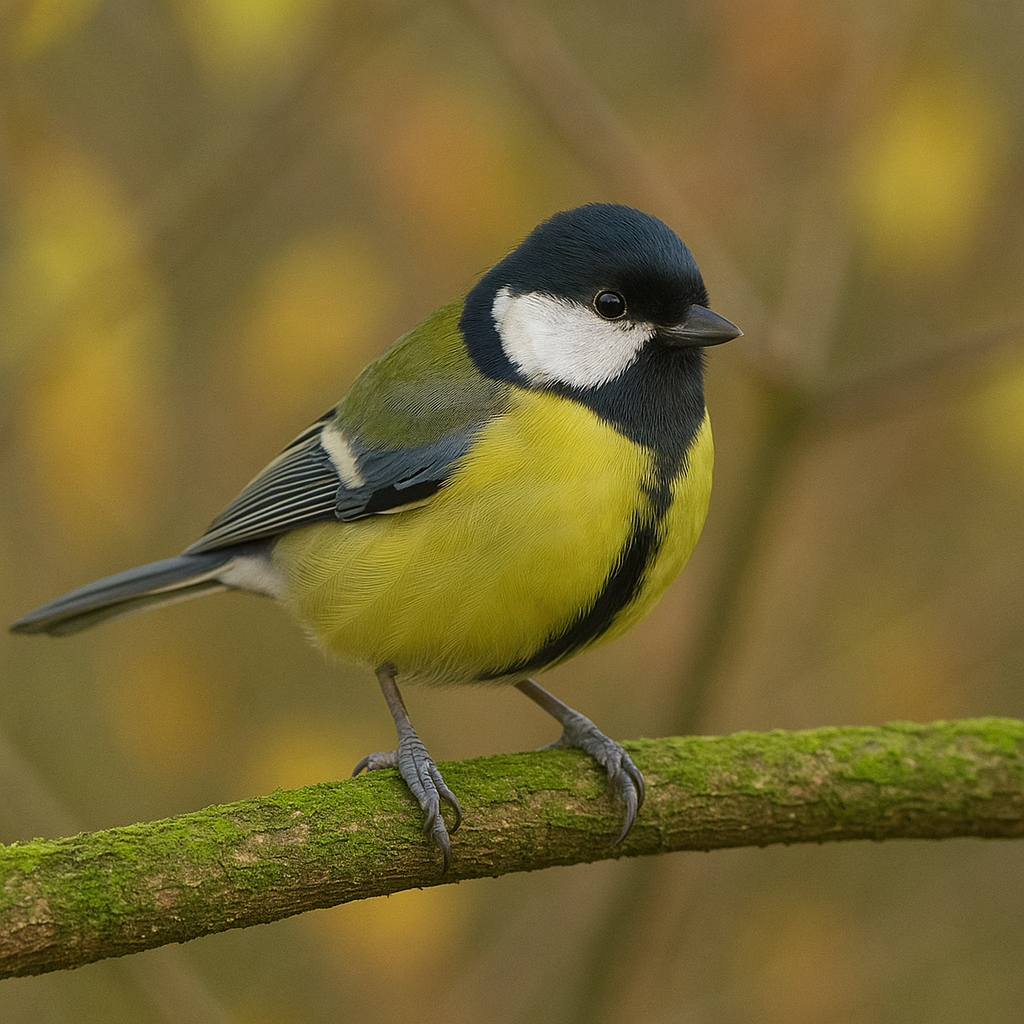
Species: Great Tit (EN) • Koolmees (NL) • Kohlmeise (DE)
Why Great Tits Sleep in Nest Boxes
1. Protection from predators
Great Tits are vulnerable at night to owls, martens, cats, and other predators.
A nest box offers a protected cavity where only small birds can enter.
2. Thermal advantage
Inside a wooden cavity the temperature stays more stable than outside.
On cold nights, this reduces energy loss. Small birds depend heavily on conserving energy to survive winter.
3. Territorial behavior
A Great Tit may sleep in a box located within its territory.
Using it regularly can be a way to “claim” the cavity before the spring nesting season begins.
4. Early inspection for breeding season
Although breeding begins in spring, Great Tits start inspecting cavities months earlier.
Sleeping inside a box can be part of this exploration—checking safety, dryness, and suitability.
5. Individual habit
Some individuals develop a consistent nightly routine and use the same roost for weeks or months.
This is normal and has been documented in long-term nest-box studies across Europe.
What You Are Observing
Based on the video stills:
The bird enters calmly, not carrying food.
The bird stays inside overnight.
It returns regularly.
This matches roosting behavior, not nesting or feeding young.
Male or Female?
From your images, it’s not possible to determine the sex.
Key reasons:
The difference between male and female breast stripes is subtle.
Camera angle and shadow hide the belly markings.
Juveniles and adults can also look similar late in the year.
Only a clear front-facing photo with good light would allow an attempt—and even then, it is not always reliable.
What to Expect Next
The Great Tit might continue sleeping in the box throughout winter.
In early spring it may start bringing in nesting material (moss, hair, grass).
Another individual could take over the box—competition is normal.
Regular roosting does not guarantee they will breed there, but it increases the chance.
Species: Great Tit (EN) • Koolmees (NL) • Kohlmeise (DE)
Why Great Tits Sleep in Nest Boxes
1. Protection from predators
Great Tits are vulnerable at night to owls, martens, cats, and other predators.
A nest box offers a protected cavity where only small birds can enter.
2. Thermal advantage
Inside a wooden cavity the temperature stays more stable than outside.
On cold nights, this reduces energy loss. Small birds depend heavily on conserving energy to survive winter.
3. Territorial behavior
A Great Tit may sleep in a box located within its territory.
Using it regularly can be a way to “claim” the cavity before the spring nesting season begins.
4. Early inspection for breeding season
Although breeding begins in spring, Great Tits start inspecting cavities months earlier.
Sleeping inside a box can be part of this exploration—checking safety, dryness, and suitability.
5. Individual habit
Some individuals develop a consistent nightly routine and use the same roost for weeks or months.
This is normal and has been documented in long-term nest-box studies across Europe.
What You Are Observing
Based on the video stills:
The bird enters calmly, not carrying food.
The bird stays inside overnight.
It returns regularly.
This matches roosting behavior, not nesting or feeding young.
Male or Female?
From your images, it’s not possible to determine the sex.
Key reasons:
The difference between male and female breast stripes is subtle.
Camera angle and shadow hide the belly markings.
Juveniles and adults can also look similar late in the year.
Only a clear front-facing photo with good light would allow an attempt—and even then, it is not always reliable.
What to Expect Next
The Great Tit might continue sleeping in the box throughout winter.
In early spring it may start bringing in nesting material (moss, hair, grass).
Another individual could take over the box—competition is normal.
Regular roosting does not guarantee they will breed there, but it increases the chance.